One of the things I’m enjoying most about learning to fly is being an absolute beginner, and making beginners’ mistakes. Such as:
- Getting my radio check and airfield information call in to the office (we don’t have a tower at this airfield), and wondering why I couldn’t get a reply even though the radio seemed to be working just fine. Turns out I had the volume turned down too low.
- Having successfully landed the plane (yay! That’s the critical bit), when taxiing back towards the place where the planes are parked, my tail got caught in a bit of cross-wind, and I ended up getting the plane stuck in the rough grass between taxi-way and runway. That meant getting out and pushing while the instructor (Clive) drove us out. Clive has been (gently) mocking my “gardening skills” ever since. He also spent the rest of the taxi-way ride rolling a cigarette, manifesting complete confidence in my ability to go not gardening again. Planes on the ground are steered entirely with the feet, so he could actually have steered us out of trouble if necessary, but it’s fascinating to see how something I do all the time in class to essentially trick my students into relaxing, is being done to me, and I can see it and understand it, and it still works. I don't roll cigarettes, but I try to exude a sense of absolute confidence in my students.
- Forgetting to check under my wing before turning in that direction. Instructor says ‘make a right turn’, and I just start doing it, instead of following correct procedure and actually checking for myself that it’s safe to do so and we’re not about to bump into something. Not that there’s much likelihood of that, where we are, but it’s essential to check, just like checking your mirrors before making a turn in a car. Incidentally, I had no problem with that in the previous lesson (on turns), but this lesson was on the stall,* and so the turns weren’t the focus. I was thinking about the stall, not the turn, and so forgot something essential that I had been fine with previously.
And, most interestingly for me, for the first five lessons I had practically no questions. I didn’t know enough to know what to ask. That phase seems to have passed and I am now pestering my instructors with all sorts of questions. It’s also instructive to note that there are many things that have been explained to me such that I understood them just fine, but couldn’t hold on to the idea until I’d seen it again, usually after a practical exercise in the plane that demonstrated the idea in action. Being able to follow the logic of an explanation is not the same thing as remembering, which is also not the same thing as really knowing and understanding.
I cannot overstate how useful this is to me as an instructor. It has been a very long time since I was last a real beginner at something; most of the new things I’ve learned over the last decade or so have been somehow related to things I’m already competent at, which changes things completely.
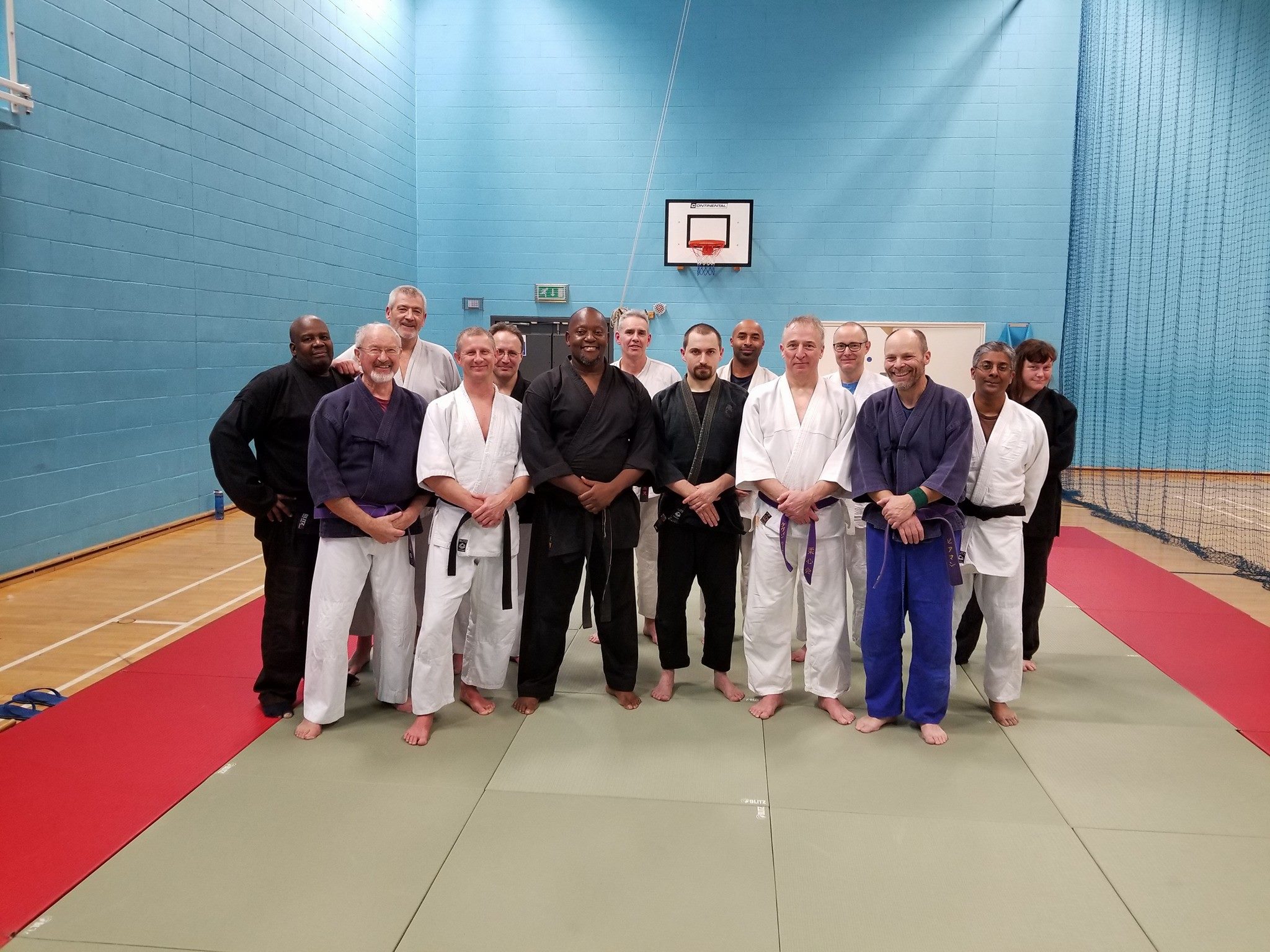
The instructors at Skyward are all nice; they don’t berate you for mistakes, just encourage you to learn. I think they’ve been a bit surprised by how I’m not at all embarrassed by making a mistake- I know many of my beginners often are embarrassed. Beginners taxi planes into the long grass, forget to check under their wing before a turn, fail to turn the radio volume up, and do all sorts of other silly things. It’s the beginner’s job to pay attention and do their honest best to do follow instructions. That’s it. It’s the instructor’s job to make sure that the beginner’s mistakes are survivable, and this is as true in martial arts as it is in flying.
I hope that all my beginners have felt that they were free to fail because I was there to create a safe space for them to fail in. But it’s been so long since I was last truly in their position that while I could be nice to them, I didn’t really understand their situation any more. In the past I have been a bit baffled by a lack of questions in a beginners’ group, or when this thing they could do just fine last time was now going wrong. I hope I met that with kindness before, but now I can meet it with comprehension too.
*A stall in an aircraft is what happens when the angle that the wing is meeting the air (the “angle of attack”) gets too steep, or there is not enough air flow, so the smooth flow of air over the top surface of the wing breaks up into turbulent eddies, and you lose lift. You fix it by putting the stick forward a bit, to lower the angle of attack (and gain some speed). It has nothing to do with the engine conking out- that’s a whole other problem.